The Allure of Risk and Reward
The thrill of risk and the potential for reward significantly drive the psychological appeal of casino gaming. Players often experience a rush of adrenaline when they place bets, creating a heightened state of excitement that is hard to replicate in everyday life. This stimulating environment can lead to impulsive decisions, as the brain releases dopamine, a neurotransmitter closely associated with pleasure and reward. The anticipation of winning transforms mundane moments into exhilarating experiences, which is why many individuals find themselves drawn to casinos, especially when considering the growing options for canada sports betting that enhance the overall gaming experience time after time.
Moreover, the concept of risk plays a crucial role in shaping gambling behavior. Many players willingly take considerable risks in hopes of achieving substantial rewards. This paradox, often referred to as the risk-reward ratio, highlights that the potential for high payoffs can frequently overshadow the reality of losses. As players navigate this intricate landscape, they constantly weigh their options, increasing the emotional highs and lows associated with gaming. This constant evaluation can lead to a more intense emotional investment in the outcome of each bet.
Additionally, casinos are designed to capitalize on this psychological dynamic by creating environments that amplify these sensations. Through bright lights, rhythmic sounds, and even enticing scents, casinos engage the senses, creating an atmosphere of sensory overload that enhances the thrill of gaming. This strategic setup keeps players immersed in the experience, prolonging their stay and increasing the likelihood of continued betting. As a result, the cycle of anticipation and reward becomes increasingly difficult to resist, drawing players deeper into the gaming experience.
The Role of Cognitive Biases in Gambling
Cognitive biases represent systematic patterns of deviation from norm or rationality in judgment and significantly influence gambling behaviors. One prevalent bias is the illusion of control, wherein players believe they can influence the outcome of a game through their actions or strategies. This belief can lead to overconfidence, causing individuals to increase their betting amounts, as they mistakenly think their skills will yield favorable results. Such detachment from reality can become problematic, especially in games of chance where outcomes are purely random and unaffected by player decisions.
Another common cognitive bias is the gambler’s fallacy, the erroneous belief that past events can influence future outcomes in random scenarios. For instance, a player may think that, having observed red appearing several times consecutively on a roulette wheel, black is “due” to appear next. This flawed reasoning can lead to poor betting decisions and ultimately result in significant losses, as players are misled by patterns that do not actually exist. Understanding these biases can help individuals reevaluate their approaches to gambling and make more rational choices.

These cognitive biases highlight the complex interplay between rational thought and emotional decision-making in gambling contexts. Recognizing these pitfalls can empower players to adopt a more informed and rational approach to gaming, which can mitigate some of the negative psychological impacts that gambling can impose. Understanding how biases shape behavior is crucial for both players and casino operators aiming to promote responsible gambling practices, ultimately creating a gaming environment that prioritizes player welfare.
The Impact of Social Interaction on Gambling Behavior
Social interaction is a significant factor in the psychology of casino gaming, as it influences players’ emotions and decisions. Many individuals perceive gambling as a social activity, whether they are playing alongside friends or engaging with other patrons. This communal aspect can enhance the overall experience, making it more enjoyable and engaging. The shared excitement of winning or the collective disappointment of losing fosters camaraderie among players, creating a strong social bond that can enhance the thrill of the game.
Furthermore, the presence of others can create a competitive atmosphere that amplifies gambling behaviors. The desire to win and impress peers may lead individuals to gamble more aggressively than they would if playing alone. This social pressure distorts personal judgment, compelling players to take risks they might otherwise avoid when isolated. As a result, the social dynamics at play within casinos can significantly shape individual gambling experiences, often pushing players toward decisions that prioritize social fulfillment over personal prudence.
Casinos are keenly aware of the importance of social interaction and frequently leverage this aspect by hosting tournaments and events that encourage player engagement. These gatherings create a festive atmosphere that promotes a sense of belonging while simultaneously increasing time spent on the gaming floor. Understanding the impact of social interactions on gambling behavior reveals critical insights into why individuals return to casinos, often despite adverse consequences. Such knowledge can inform strategies for encouraging responsible gambling and fostering healthier gaming environments.
The Emotional Rollercoaster of Gambling
The emotional highs and lows associated with gambling represent significant factors influencing player behavior. The excitement of a potential win can elicit euphoric feelings, while losses can lead to frustration, despair, or even a compulsive desire to chase losses. This emotional rollercoaster profoundly affects decision-making, often resulting in impulsive betting as players seek to regain control over an unpredictable situation. The unpredictable nature of gambling fuels this emotional journey, making it both exhilarating and perilous, which is a key reason why many individuals are drawn to the activity.
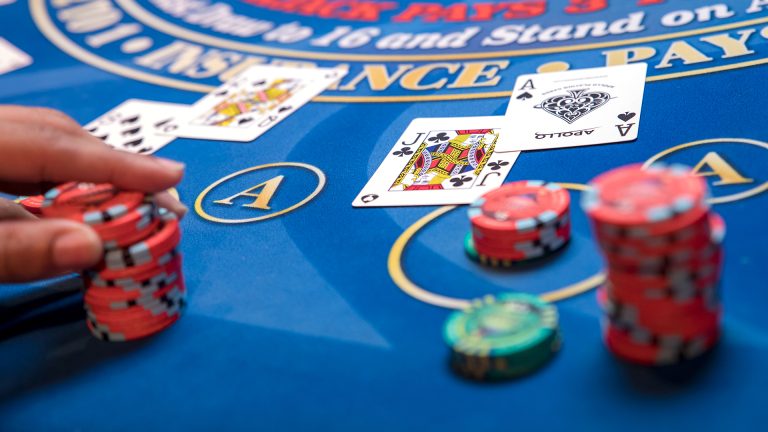
As players experience these emotional swings, they may become trapped in a cycle of gambling to escape negative feelings or to enhance positive ones. The immediate gratification derived from gambling can serve as a temporary solution to boredom, stress, or anxiety. However, these emotional escapes can lead to harmful consequences as individuals seek solace in gaming, often neglecting other aspects of their lives that contribute to their overall well-being. This cycle can be challenging to break, as the desire to recreate positive emotions often leads back to the gaming table.
Moreover, the emotional aspect of gambling is often exploited by casinos through marketing strategies that emphasize excitement and luxury. The lush environments, captivating promotions, and carefully curated experiences are designed to evoke strong emotional responses, encouraging players to spend more time and money. By understanding this emotional dynamic, individuals can become more aware of their motivations and make more conscious decisions regarding their gambling activities, ultimately fostering a healthier relationship with gaming.
Empowering Responsible Gaming Through Awareness
Ultimately, fostering awareness about the psychological factors influencing casino gaming can empower individuals to engage in responsible gambling practices. Education about cognitive biases, emotional triggers, and social dynamics can equip players with the necessary tools to make informed decisions. Many casinos and organizations are beginning to recognize the importance of promoting responsible gambling, providing resources and support for those who may be struggling with addictive behaviors. This shift toward awareness represents a crucial step in ensuring that players can enjoy gaming responsibly.
Developing a balanced understanding of gambling can significantly mitigate risks associated with excessive play. Encouraging breaks, self-imposed limits, and seeking support when necessary are critical practices that promote a healthier relationship with gambling. Knowledge is indeed power, and by embracing it, players can enjoy gaming as a form of entertainment rather than a source of stress or financial peril. This awareness can transform gambling from a potentially harmful activity into a responsible leisure pursuit.
Furthermore, the rise of online platforms has made it easier than ever for gamblers to access games, bringing both opportunity and responsibility. This accessibility necessitates a proactive approach, as players must navigate their gaming habits in the comfort of their homes. Emphasizing awareness and education through digital tools is essential in promoting responsible behavior in this new landscape, helping to counteract the psychological influences that may lead to excessive gambling. By prioritizing education and support, the gaming community can foster an environment where fun and responsibility coexist harmoniously.