The Allure of Risk and Reward
The psychology behind casino gambling is significantly influenced by the allure of risk and reward. This fundamental attraction can be traced back to our evolutionary past, where taking risks often resulted in gaining resources or securing survival. In a casino setting, the potential for large monetary rewards creates a thrilling environment that engages players’ emotions and decision-making processes, especially when they consider options like fast payout casinos that enhance the excitement. The unpredictability inherent in gambling plays a crucial role, as the excitement of the unknown stimulates the brain’s reward system, often leading individuals to gamble more.
Furthermore, the mechanism of variable reinforcement is a central element of gambling psychology. Unlike fixed rewards, where individuals know exactly what to expect, variable rewards create a sense of anticipation that intensifies the emotional experience. This principle explains why players may return to the casino after losing; the belief that the next game could lead to a big win often outweighs previous losses. The unpredictability fosters a cycle of hope and excitement, making it challenging for gamblers to resist the call of the game.
Additionally, the thrill associated with winning, no matter how small, can lead to positive feedback loops that reinforce gambling behavior. Even small victories can be psychologically significant, prompting players to return for more. This keeps individuals engaged, as the brain releases dopamine, a neurotransmitter associated with pleasure and reward, every time a win occurs. Thus, the psychology of risk and reward creates a potent mix that keeps players captivated by the casino environment.
The Role of Cognitive Biases
Cognitive biases play a significant role in the decision-making processes of casino gamblers. One prevalent bias is the illusion of control, where players believe they can influence the outcome of random games. This illusion can lead gamers to adopt strategies that they think will enhance their odds, even in games that are purely chance-based, such as slot machines. This false sense of control often keeps gamblers engaged for extended periods, as they feel empowered to tilt the odds in their favor despite evidence to the contrary.
Another cognitive bias present in gambling is the gambler’s fallacy, which is the erroneous belief that past events can influence future outcomes in random scenarios. For instance, a player might think that after a streak of losses, a win is “due” to occur. This mindset can lead individuals to chase losses, increasing their risk of further financial loss. Understanding these cognitive biases is essential, as they can lead to detrimental gambling habits and impaired judgment, making it harder for individuals to recognize when to stop.

Moreover, the framing effect can also impact how gamblers perceive their bets and outcomes. When losses are presented in a way that emphasizes the potential for future wins, players are more likely to continue gambling. This framing can create a distorted sense of reality where individuals fail to acknowledge the risks involved in their betting strategies. By understanding these cognitive biases, casinos can tailor their marketing strategies to enhance player engagement while also contributing to the complexities of responsible gambling education.
Emotional and Social Factors in Gambling
The emotional landscape of gambling extends beyond mere excitement; it encompasses complex feelings of joy, anticipation, anxiety, and even despair. Many individuals turn to casinos as an escape from their daily stresses, seeking a temporary reprieve from responsibilities. The emotional highs of winning can provide a powerful rush, drawing individuals back to the gambling environment in hopes of replicating that same feeling. Simultaneously, the lows associated with losses can lead to negative emotional spirals, contributing to an ongoing cycle of gambling behavior that can be difficult to break.
Social interactions also play a vital role in the gambling experience. Casinos are often vibrant social spaces where players can connect with friends or meet new people. The sense of belonging and community can enhance the overall experience of gambling, as shared emotions and collective excitement can intensify the rush of the game. However, it is essential to recognize that this social aspect can also normalize excessive gambling, leading to unhealthy patterns when surrounded by likeminded individuals who engage in similar behaviors.
Moreover, peer influence plays a critical role in shaping an individual’s gambling habits. Observing friends or family members winning can create a perception of gambling as a socially acceptable or even rewarding activity. This can prompt individuals to engage in gambling, even if they might not otherwise be inclined to do so. Understanding these emotional and social factors is crucial for developing a comprehensive view of gambler psychology and the potential risks involved in this form of entertainment.
The Impact of Environment and Design on Gambling Psychology
The physical environment of a casino significantly influences the psychological state of gamblers. From lighting and sound to layout and design, every aspect is meticulously planned to foster a sense of excitement and prolong engagement. Bright lights and the sound of coins clinking create a sensory overload that stimulates emotions and encourages players to take chances. This carefully crafted atmosphere can enhance the thrill of gambling, often leading players to lose track of time and money in pursuit of the next big win.
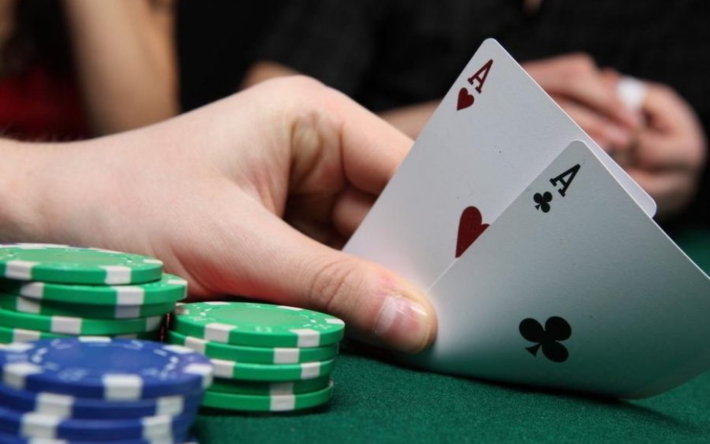
Additionally, the layout of a casino is designed to keep players in a zone of continuous action. Games are strategically placed to ensure that players are always within reach of high-stakes environments, encouraging them to try their luck even while waiting for a table or game. The proximity to bars and restaurants adds to the allure, as patrons feel compelled to stay and play longer. This design not only maximizes profits for casinos but can also contribute to players’ difficulties in stepping away, further complicating their relationship with gambling.
Moreover, casinos often utilize promotional tactics such as loyalty programs, free drinks, and enticing bonuses that keep players coming back for more. These incentives reward continued play, creating a sense of investment that can be hard to resist. This combined impact of environmental cues and casino marketing tactics plays a significant role in shaping gamblers’ decisions and experiences, often leading to an increased likelihood of prolonged gambling sessions and potential harm.
Understanding Responsible Gambling Resources
As awareness of the psychological complexities surrounding casino gambling grows, so does the need for responsible gambling resources. Various organizations and platforms have emerged to help individuals recognize the signs of problematic gambling behaviors and offer strategies for maintaining control. These resources often provide information about the psychological effects of gambling and emphasize the importance of setting personal limits to mitigate risks. By educating players about the potential dangers, it becomes easier for them to make informed decisions regarding their gaming habits.
Moreover, many casinos are now implementing responsible gambling initiatives to promote safe gaming practices. These initiatives may include self-exclusion programs, where individuals can voluntarily ban themselves from entering casinos for a specified time. These programs are essential for players who recognize that their gambling is becoming problematic and need a break from the stimulating environment. Education and support can empower individuals to seek help when needed, fostering a healthier relationship with gambling.
Additionally, online platforms have also made strides in promoting responsible gaming through features such as loss limits, time reminders, and automated self-assessment tools. These tools can assist players in monitoring their gambling behavior and help them establish healthy boundaries. By creating awareness and providing accessible resources, gambling establishments can contribute to a more responsible gaming culture, encouraging players to enjoy the entertainment aspect of gambling while safeguarding against addiction.